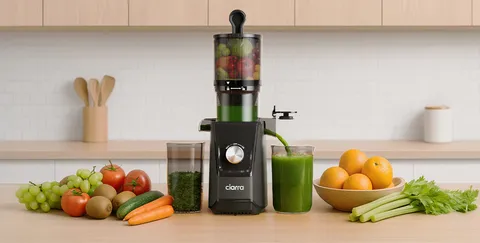
When it comes to preparing healthy drinks and nutritious meals at home, two appliances often dominate the conversation: the juicer and the blender. Many people looking to improve their diet wonder which one is the better investment. The debate of juicer vs blender is not simply about choosing a kitchen gadget; it is about understanding how each appliance processes ingredients, affects nutrition, and fits into your daily routine.
Although both machines can help you consume more fruits and vegetables, they work in very different ways. Knowing these differences can help you make a smarter purchasing decision and maximize your health benefits.
Understanding What a Juicer Does
A juicer is designed to extract liquid from fruits and vegetables while separating the pulp, fiber, and solid material. The result is a smooth, nutrient-rich drink that is easy to consume and digest.
There are two main types of juicers:
Centrifugal Juicers
These machines use high-speed spinning blades to shred produce and extract juice quickly. They are popular because they are affordable and convenient.
Advantages:
-
Fast juice extraction
-
Easy to use
-
Generally less expensive
Disadvantages:
-
Can generate heat that may reduce some nutrients
-
Often produces less juice from leafy greens
-
Can be noisy
Masticating Juicers
Also known as slow juicers, these machines crush and press ingredients to extract juice.
Advantages:
-
Higher juice yield
-
Better nutrient retention
-
Excellent for leafy greens
Disadvantages:
-
More expensive
-
Slower operation
-
Usually larger in size
Juicers are ideal for people who enjoy pure fruit and vegetable juice without any pulp or fiber.
Understanding What a Blender Does
A blender works differently. Instead of separating liquid from solids, it pulverizes the entire fruit or vegetable into a smooth mixture. Everything remains in the drink, including fiber, skin, and pulp.
Modern blenders can handle a variety of ingredients, including:
-
Fruits
-
Vegetables
-
Ice
-
Nuts
-
Seeds
-
Yogurt
-
Protein powders
Blenders are commonly used to make smoothies, soups, sauces, dips, and frozen desserts.
Benefits of Using a Blender
A blender allows you to consume the whole ingredient, ensuring that valuable nutrients and dietary fiber are not discarded. Because fiber remains intact, smoothies can help you stay fuller for longer periods.
Juicer vs Blender: Nutritional Differences
One of the biggest factors in the juicer versus blender debate is nutrition.
Fiber Content
The most significant difference is fiber.
When using a juicer, much of the fiber is removed along with the pulp. The resulting juice contains vitamins, minerals, and antioxidants but lacks substantial fiber.
A blender retains all the fiber because the entire ingredient is processed.
Fiber supports:
-
Healthy digestion
-
Blood sugar regulation
-
Heart health
-
Weight management
For those looking to increase fiber intake, a blender generally has the advantage.
Nutrient Absorption
Juices are often absorbed more quickly because they contain little or no fiber. This allows vitamins and minerals to enter the bloodstream rapidly.
Smoothies digest more slowly due to their fiber content, providing a steadier release of nutrients and energy.
Calorie Intake
Juicing can sometimes lead to higher calorie consumption because multiple fruits may be required to produce one glass of juice. Since fiber is removed, the drink may not be as filling.
Smoothies tend to be more satisfying and may help reduce unnecessary snacking between meals.
Taste and Texture Comparison
Taste preferences play a major role in deciding between a juicer and a blender.
Juice Texture
Juice is typically:
-
Smooth
-
Light
-
Refreshing
-
Easy to drink
Many people enjoy juice because it has a clean and pure flavor.
Smoothie Texture
Smoothies are:
-
Thick
-
Creamy
-
Filling
-
More substantial
They can also be customized with ingredients such as oats, nut butter, and protein powder to create meal replacements.
If you prefer a refreshing beverage, a juicer may be more appealing. If you want something satisfying and meal-like, a blender is usually the better option.
Convenience and Ease of Use
Convenience is another important factor when comparing these appliances.
Blender Convenience
Blenders are generally easier to use because:
-
Minimal preparation is required
-
Most ingredients can be added directly
-
Cleaning is often straightforward
-
Multiple recipes can be prepared
Many blender containers can even be rinsed clean in under a minute.
Juicer Convenience
Juicers often require:
-
More preparation
-
Cutting ingredients into smaller pieces
-
Additional cleaning
-
Handling leftover pulp
Cleaning can be more time-consuming due to the number of removable parts.
For busy households, a blender usually wins in terms of convenience.
Cost Comparison
Budget considerations often influence purchasing decisions.
Juicer Costs
Quality juicers can range from moderate to very expensive. Slow masticating juicers generally cost significantly more than entry-level models.
Additional costs may include:
-
Produce consumption
-
Replacement parts
-
Maintenance
Blender Costs
Blenders are available across a wide price range. Many affordable models perform exceptionally well for everyday smoothie making.
High-performance blenders may cost more but often replace multiple kitchen appliances.
Overall, blenders tend to offer greater versatility for the money.
Versatility in the Kitchen
One area where blenders truly shine is versatility.
A blender can prepare:
-
Smoothies
-
Soups
-
Nut milk
-
Sauces
-
Dips
-
Dressings
-
Frozen drinks
-
Pancake batter
A juicer primarily focuses on juice extraction.
If you want an appliance that can handle a variety of kitchen tasks, a blender is the more flexible choice.
Which Appliance Is Better for Weight Loss?
Many people compare juicers and blenders when trying to lose weight.
Juicing for Weight Loss
Fresh juice can help increase vegetable intake while reducing consumption of sugary soft drinks.
However, because juice lacks fiber, it may not provide lasting fullness.
Blending for Weight Loss
Smoothies often contain fiber and protein, which can increase satiety and reduce hunger.
A well-balanced smoothie can serve as a nutritious meal replacement and support healthy weight management.
For long-term weight loss goals, blenders generally offer more advantages due to their fiber retention.
Who Should Choose a Juicer?
A juicer may be ideal if you:
-
Prefer smooth drinks without pulp
-
Enjoy fresh fruit and vegetable juices
-
Want quick nutrient absorption
-
Like experimenting with juice recipes
-
Have difficulty consuming large amounts of produce
Fresh juice can be a convenient way to add more vitamins and minerals to your daily routine.
Who Should Choose a Blender?
A blender may be the better option if you:
-
Want maximum fiber intake
-
Prefer filling beverages
-
Need a versatile appliance
-
Enjoy smoothies and meal replacements
-
Want better value for money
For most households, a blender provides greater functionality and broader culinary applications.
Can You Benefit from Both?
Many health-conscious individuals choose to own both appliances.
A common strategy is:
-
Use a juicer for refreshing vegetable and fruit juices.
-
Use a blender for smoothies, soups, and nutrient-dense meals.
This combination provides the best of both worlds and allows you to enjoy a wider range of healthy recipes.
Final Verdict: Juicer vs Blender
The ultimate answer to the juicer vs blender debate depends on your personal goals, dietary preferences, and lifestyle. If you value pure juice, quick nutrient absorption, and refreshing beverages, a juicer may be the right choice. If you prioritize fiber, versatility, convenience, and meal satisfaction, a blender is likely the better investment.
For most people, a blender offers greater overall value because it preserves the entire fruit or vegetable and can perform many kitchen tasks beyond making drinks. However, dedicated juice enthusiasts may still find a juicer indispensable. Whichever appliance you choose, incorporating more fruits and vegetables into your diet is a positive step toward better health. Modern kitchen innovations continue to improve both options, and products from brands such as Ciarra gadget help make healthy living more accessible than ever.